
Roadrunner
PROJECT
OVERVIEW
Roadrunner is a fleet management system aimed at digitizing and improving work processes and inventory management in its first phase, and connecting to the marketplace to ease car rental booking online and improve customer inventory in the second phase.
RESPONSIBILITIES
Prototyping
User Research
Usability Testing
Iterating
AUTOMATING MANUAL WORK PROCESSES
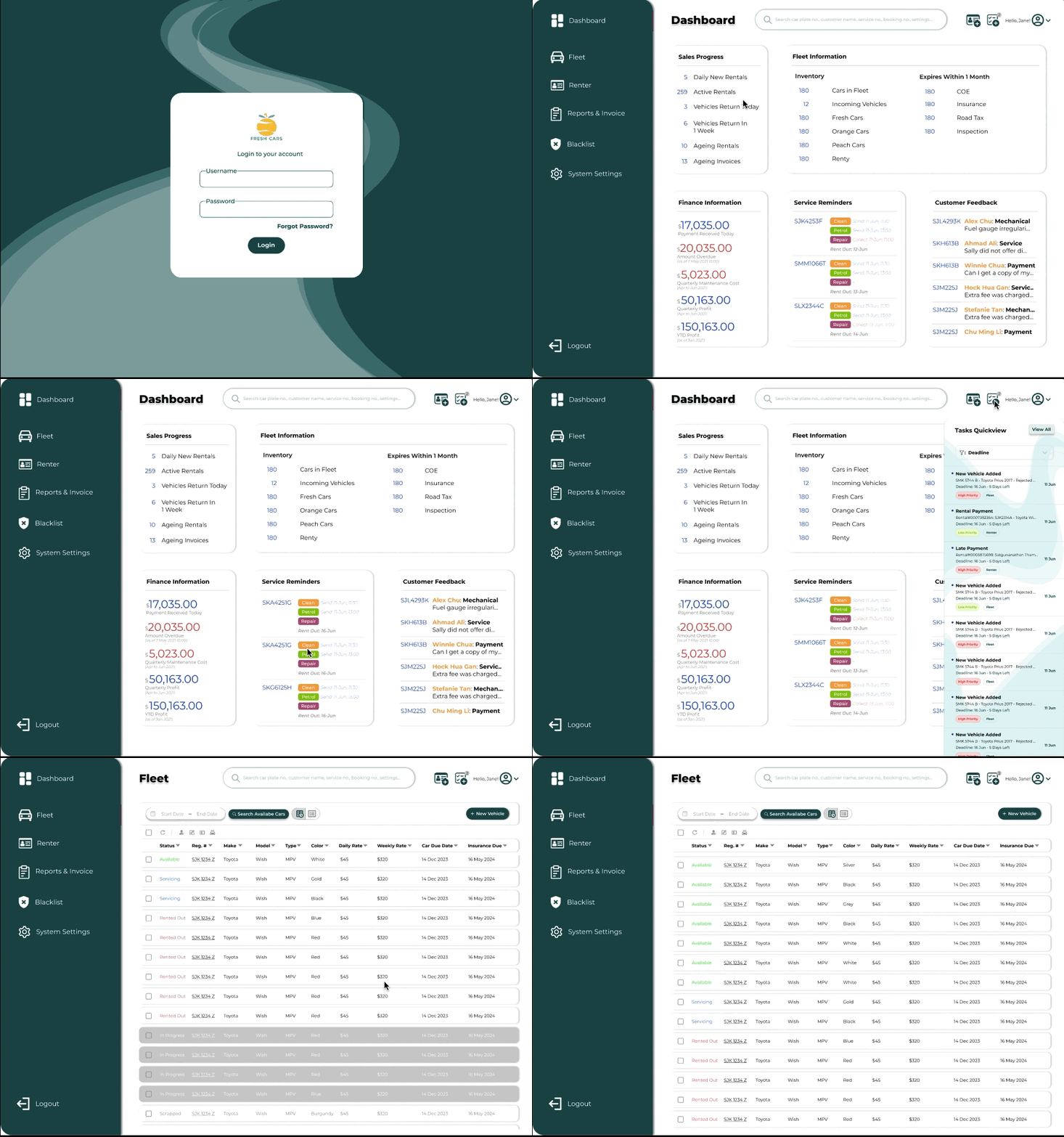
Roadrunner was built to tackle inefficiencies in the manual work process in the business including managing inventory, finances and vehicle maintenance. The client aimed at having a systematic way to manage different work processes from adding a new car into the inventory to managing customer and booking records. This project require intense research, learning of the ground work and planning steps and requirements of each person's role in the business.
DEFINING THE SCOPE
The project kicked off with a meeting on the steps that will be taken to understand the work process of each role. Because the project will eventually be a car rental marketplace, the software had to be designed in a way that could work coherently with a marketplace. Understanding that the software has to first be an efficient inventory and then a systematic platform that automates manual work process really helped in defining the direction of the project flow.


NARROWING CHALLENGES FACED BY STAFF & CUSTOMERS
The first step that I took was to understand every registration forms and documents that are being used for any administratives. These range from rental forms to log cards on official car purchase sites.
The following step required shadowing staff on their tasks and understanding what are the manual steps that could be automated. I took the opportunity to interview them on what they think could be done better as well.
To visualise the data sets collected, I collated the information on excel. Given that some of the work processes required some improvements, I did a comparative research to find ways that direct and indirect competitors are doing well. Once I have synthesised the data collected, I presented to the different stakeholders before drafting the wireframes.
EXPLORING SOLUTIONS
The drafted wireframes were reviewed and trialed to explore the usability of the flow. I discovered some inefficiencies such as the accessibility and usability of the task inbox. The draft was iterated according to the discoveries found.

REFINE & DEFINE
The final iteration of the design and content architecture was tested at high fidelity with one flow. The aim for the overall theme was minimal and clean. There was an emphasis on functionality however, I explained to the team the importance of design in boosting the software's functionality as well.
Final Direction
